

U.S. Treasury bond volatility has fallen to near record lows, however, the historical trend of the past ten years reminds interest rate traders to be wary of the safety illusion caused by this quiet summer market;
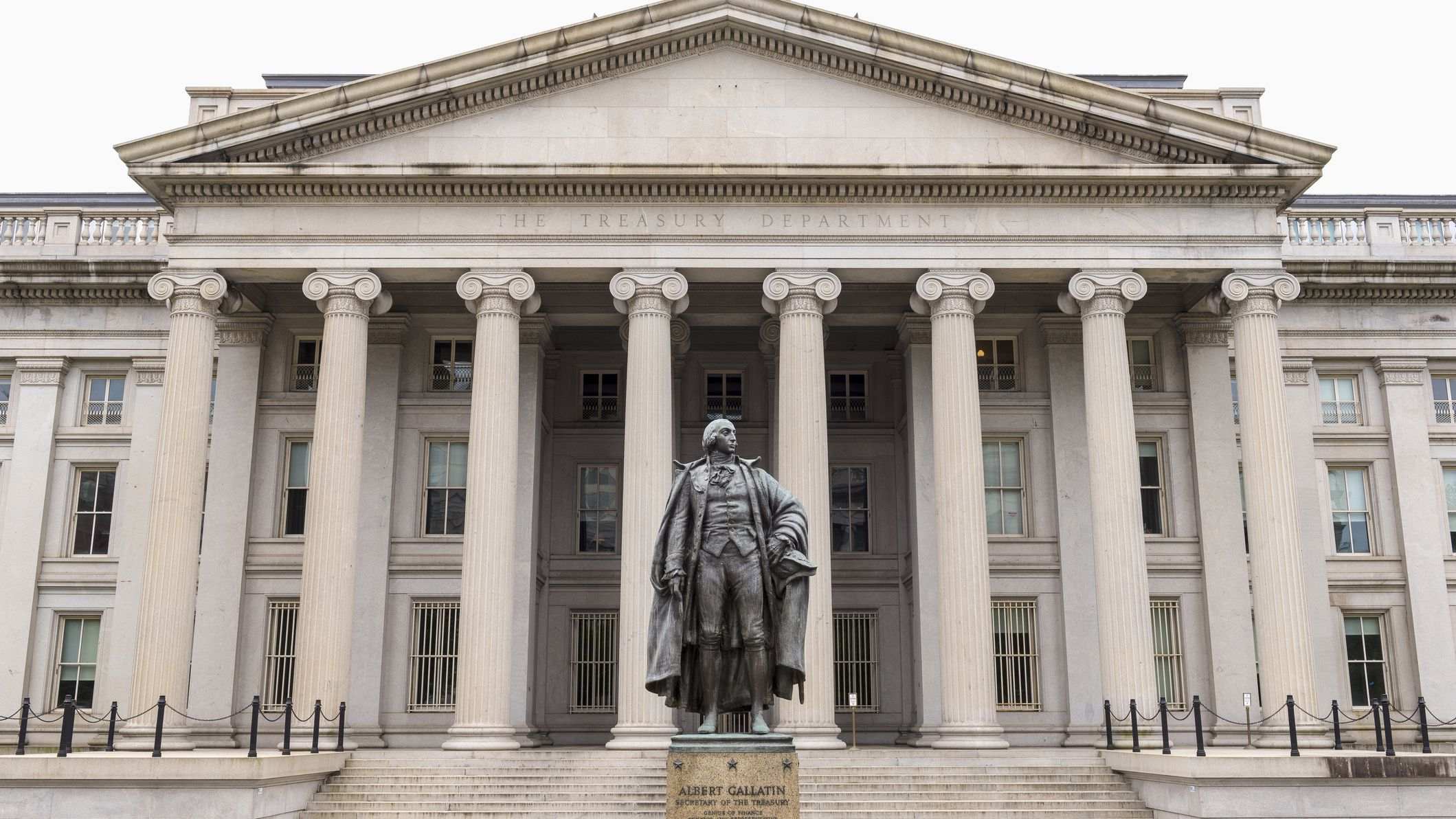
Analysis by Michael Chang, director of interest rate research at Société Générale. Since 2010, the volatility of longer-term US Treasury bonds has tended to pick up in August. Some traders go to the longest end of the curve in order to profit from this lifeless market, which poses a risk for them;
Chang said, if the long-end interest rate remains range-bound, short-selling volatility will definitely have the greatest potential profit, but this is not certain. The August volatility rise mode is evidenced by facts, especially last year when transactions were very thin, concerns about trade frictions caused U.S. bond yields to fall;
The stability of long-term U.S. bond yields will largely depend on the Fed’s next move. So far, the Fed's purchase of Treasury bonds cleared more duration from the market. However, this balance may change when the scale of bond issuance is expected to vary. The US Treasury Department will announce the refinancing plan on August 5, or confirm this expectation;
If the U.S. government approves a new round of stimulus package of $1 trillion or more, unless the Fed promises to support longer-term Treasury bonds, both 10-year and 30-year Treasury yields may climb. Invested the U.S. Treasury Market Volatility Benchmark Index – Harley Bassman, a private investor in the ICE Bank of America MOVE Index, holds this view.
风险提示:本文所述仅代表作者个人观点,不代表 Followme 的官方立场。Followme 不对内容的准确性、完整性或可靠性作出任何保证,对于基于该内容所采取的任何行为,不承担任何责任,除非另有书面明确说明。

暂无评论,立马抢沙发