

Copper prices rebounded toward $5.19/lb in November, staging an impressive recovery after the sharp October pullback. The rally was fuelled by a combination of supply disruptions, tariff-related demand front-loading, and broad macro-optimism that lifted the entire commodities complex. On the surface, the momentum appeared strong. However, a closer look shows that much of the buying was driven by temporary, one-off factors rather than a genuine improvement in global industrial demand.

Copper prices rebounded toward $5.19/lb in November
This creates an increasingly asymmetric setup: the very forces that pushed copper higher are now fading — and may soon turn into catalysts for a sharper correction as market conditions normalize.
Below is a clearer breakdown of the drivers behind the surge, and why they now present mounting risks for copper bulls.
Why Copper Surges Recently?
Copper’s November rally — pushing back toward $5.20/lb (~$11,200/t) — was fueled by a “perfect storm” of short-term catalysts rather than a genuine improvement in global demand. Three key forces drove the move:
1. Supply Disruptions Triggered Panic Buying
The mudslide at Indonesia’s Grasberg mine and ongoing constraints in Panama/Chile ignited fears of immediate shortages. This sparked algorithmic panic-buying, accelerating the rally far beyond what physical market conditions justified.
2. Tariff Front-Loading Created Artificial U.S. Demand
Expectations of new U.S. tariffs led to a rush of pre-emptive imports. This “beat the tariffs” buying inflated demand artificially and left COMEX inventories at multi-year highs. With the front-loading phase effectively over, U.S. consumption is expected to drop sharply as buyers digest excess stock.
3. Macro Optimism Lifted All Commodities
Markets aggressively priced in a December Fed cut, weakening the Dollar and lifting cyclical assets across the board. Copper benefited from this macro tide, even though its fundamentals did not genuinely improve.
Additionally, optimism around AI and tech-sector electrification added a speculative premium, despite the fact that real industrial consumption has not yet caught up.
Why These Drivers Now Create Bearish Risks
The recent surge is increasingly running ahead of fundamentals. As the temporary catalysts fade, copper is vulnerable to a sharp reversal. Several indicators point to downside risks building beneath the surface.
Fundamental Outlook: The “Fake Demand” Problem
Much of the U.S. demand spike was not genuine consumption — it was inventory accumulation.
· U.S. copper imports surged purely to get ahead of potential tariffs.
· COMEX stocks have climbed above 400,000 tonnes, their highest in years.
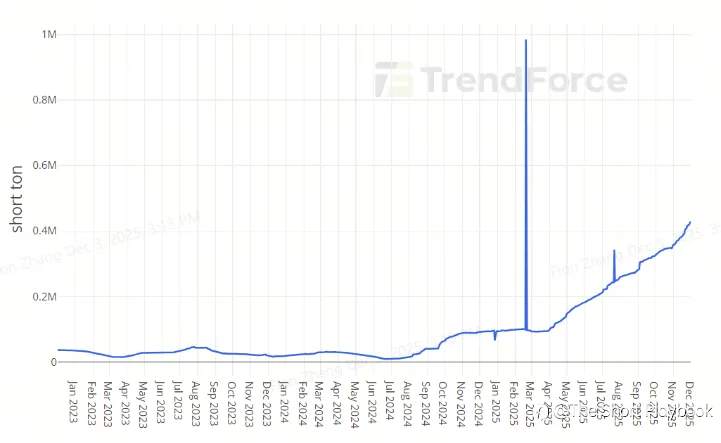 COMEX Inventory: Copper | Chart Source: TrendForce.com
With the front-loaded buying now completed, U.S. demand is likely to hit an “air pocket” in December–January as the industry works through these large stockpiles. This has led to a dislocated market where U.S. copper prices traded at a large premium to LME — a gap that is unlikely to hold once demand normalizes.
Demand Destruction in China — The Real Red Flag
While Western markets focus on supply, the world’s largest consumer — China — is signaling clear resistance to high prices.
· Copper rod processing rates fell to ~61%, a multi-year seasonal low.
· Fabricators are reducing output or switching to alternative metals like aluminum.
· Beijing’s stimulus announcements have not yet translated into real construction demand.
Adding to the stress, major Chinese smelters confirmed plans on 1 December 2025 to cut production by more than 10% in 2026.
While bulls argue that this means tighter supply, bears should recognize the underlying message:
Smelters are cutting because downstream buyers cannot absorb such high prices.
This is not bullish tightness — it is evidence of a strained supply chain where cost pressure is choking real demand.
Bottom Line
The July and November spike reflects panic buying, artificial demand, and macro-driven flows, not a sustainable improvement in copper’s physical fundamentals. With U.S. stockpiles elevated, China cutting production, and global demand showing signs of fatigue, the market is increasingly exposed to a downside correction as these temporary supports unwind.
Copper’s Risk Emerging
Copper’s chart shows a trend that can still appear bullish, but historical patterns indicate vulnerability to sharp corrections. Past sharp pullbacks (April and August) suggest that in the absence of a supportive catalyst, price can quickly reverse.
Recent rallies post-July/August flash crashes appear driven by short-term dip-buying momentum rather than structural strength.
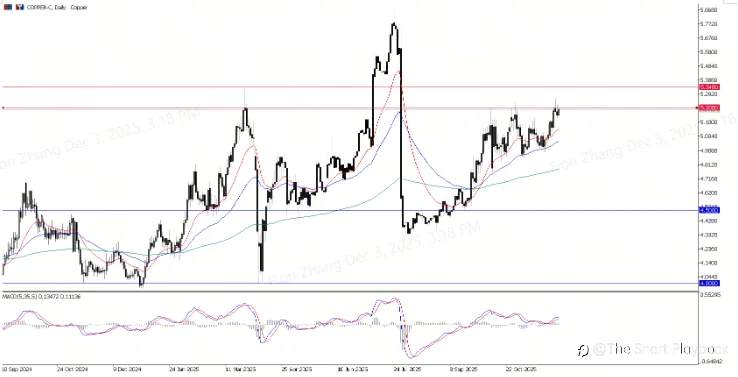 Copper (COMEX Future CFDs), Daily Chart Analysis
Professional Trading Insights
· Bias: Cautious Bearish
· Key Resistance: $5.20 – $5.34
· Entry Setup: Consider initiating short positions below $5.20 – $5.34 once upward momentum stalls
· Target: $4.50 – $4.00, aligned with historical fair value and recent corrective levels
· Risk Management: Place stop-loss above $5.34 to account for potential short-term spikes due to news or supply disruptions
While copper has rallied strongly, the fundamental and technical backdrop now favors cautious short strategies. Temporary supply shocks, front-loaded demand, and speculative flows have likely priced in much of the upside. Traders should watch for signs of exhaustion near key resistance and confirm weakness before committing to shorts.
风险提示:本文所述仅代表作者个人观点,不代表 Followme 的官方立场。Followme 不对内容的准确性、完整性或可靠性作出任何保证,对于基于该内容所采取的任何行为,不承担任何责任,除非另有书面明确说明。

暂无评论,立马抢沙发