

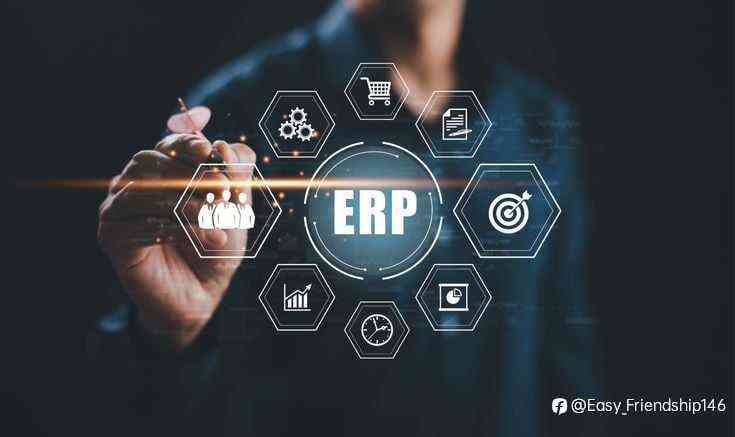
In today’s fast-moving digital economy, businesses are under constant pressure to become more agile, cost-efficient, and data-driven. From startups and SMEs to large enterprises, organizations are rethinking how they manage finance, inventory, sales, HR, and customer relationships. This shift has led to one major question dominating boardrooms and IT discussions alike: why are businesses moving away from traditional ERP systems and embracing Cloud ERP instead?
This article explores the reasons behind this transformation and explains how modern ERPNext Solutions are redefining enterprise management. You will learn how Cloud ERP software differs from traditional ERP, why it is becoming the preferred choice in India and globally, and how open-source ERP systems like ERPNext are helping businesses scale faster, smarter, and more securely. By the end, you will have a clear understanding of whether Cloud ERP is the right fit for your business and why it is often considered the best ERP software for modern organizations.
Understanding Traditional ERP Systems
Traditional ERP systems were designed in an era when businesses relied heavily on on-premise infrastructure. These systems required companies to install ERP software on local servers, manage hardware, hire dedicated IT teams, and handle upgrades manually. While traditional ERP once represented innovation, it gradually became rigid and expensive for growing businesses.
Most legacy ERP platforms demand high upfront investment, long implementation timelines, and limited flexibility. Businesses using traditional ERP often struggle with scalability, remote access, system updates, and integration with modern tools such as CRM platforms or mobile ERP software. As markets became more competitive and digital-first, these limitations started impacting productivity and decision-making.
What Is Cloud ERP and Why Is It Different?
Cloud ERP is a modern ERP system hosted on the cloud rather than on local servers. A Cloud ERP system allows businesses to access ERP software anytime, anywhere, using an internet connection. This model eliminates the need for heavy IT infrastructure and enables faster deployment, regular updates, and improved security.
Cloud ERP software, especially open-source ERP systems like ERPNext software, offers flexibility, scalability, and cost efficiency that traditional ERP simply cannot match. Businesses can scale modules as they grow, customize workflows, and integrate seamlessly with accounting ERP, inventory management systems, CRM tools, and even course builder modules for training.
The Rise of ERPNext Solutions in the Cloud ERP Era
Among various Cloud ERP platforms, ERPNext Solutions have emerged as a powerful alternative to traditional ERP systems. ERPNext is an open-source ERP software widely adopted by businesses in India and globally. Its cloud-based architecture, modular design, and user-friendly interface make it one of the best ERP software choices for SMEs and enterprises alike.
ERPNext India has seen rapid adoption because it addresses common business challenges such as GST compliance, inventory tracking, accounting automation, and CRM integration. Unlike many proprietary ERP platforms, ERPNext software provides transparency, flexibility, and complete control over data.
Cost Efficiency: A Major Reason for the Shift to Cloud ERP
One of the biggest drivers behind the shift to Cloud ERP India is cost efficiency. Traditional ERP systems require high capital expenditure for servers, licenses, and maintenance. In contrast, Cloud ERP solutions follow a subscription-based model, making them accessible even for small businesses.
ERPNext pricing is transparent and affordable, especially when compared to legacy ERP platforms. Businesses only pay for the modules and hosting they need, whether it is ERPNext accounting, inventory management system, or ERPNext CRM. This makes Cloud ERP ideal for ERP for small business and ERP for SMEs looking to optimize costs without compromising on features.
Scalability and Flexibility for Growing Businesses
Modern businesses evolve rapidly, and ERP systems must keep up. Traditional ERP systems often struggle with scalability, requiring costly upgrades and downtime. Cloud ERP software, on the other hand, scales effortlessly as business requirements change.
ERPNext modules allow companies to start small and expand gradually. A business may begin with accounting ERP and inventory management and later add ERPNext CRM, HR, manufacturing, or course builder modules. This flexibility is a major reason why ERPNext Solutions are considered among the best cloud ERP options in India.
Accessibility and Remote Work Enablement
The rise of remote work has accelerated Cloud ERP adoption. Traditional ERP systems limit access to on-premise networks, making remote operations difficult. Cloud ERP systems provide real-time access from any location, enabling teams to collaborate effectively.
With mobile ERP software and browser-based dashboards, ERPNext software empowers business owners, accountants, and sales teams to stay connected. This accessibility improves decision-making and ensures uninterrupted operations, even during disruptions.
Enhanced Security and Data Reliability
Security concerns once made businesses hesitant about cloud solutions. However, modern Cloud ERP platforms now offer advanced security measures that often surpass traditional ERP systems. Cloud ERP software includes data encryption, automated backups, disaster recovery, and role-based access control.
ERPNext hosting providers in India follow industry best practices to ensure data protection and compliance. With regular updates and proactive monitoring, Cloud ERP systems reduce the risk of data loss and cyber threats.
Faster Implementation and Continuous Updates
Traditional ERP implementations can take months or even years. Cloud ERP implementation is significantly faster, allowing businesses to go live within weeks. ERPNext implementation is known for its structured approach, supported by certified ERP software company India partners.
Another advantage of Cloud ERP is automatic updates. Businesses using ERPNext Cloud Hosting receive new features, performance improvements, and security patches without downtime. This ensures that ERP software for business remains future-ready.
Customization Without Complexity
Customization is often complex and expensive in traditional ERP systems. Cloud ERP platforms like ERPNext offer extensive customization capabilities without heavy coding. ERPNext customization allows businesses to tailor workflows, reports, dashboards, and integrations based on their needs.
Whether it is ERPNext integrations with third-party tools or custom modules for industry-specific requirements, ERPNext software provides unmatched flexibility. This makes it a preferred choice for businesses comparing ERPNext vs Odoo or other ERP platforms.
Improved Inventory and Accounting Management
Inventory management is a critical challenge for businesses. Cloud ERP systems provide real-time inventory visibility, automated stock updates, and seamless integration with sales and procurement.
ERPNext Solutions offer a robust inventory management system that helps businesses reduce stock losses, avoid overstocking, and improve order fulfillment. ERPNext accounting modules automate invoicing, tax calculations, and financial reporting, making it an ideal accounting ERP for Indian businesses.
Real-Life Example: SMEs Adopting ERPNext Cloud ERP
Many Indian SMEs have successfully transitioned from traditional ERP to ERPNext Cloud ERP. A manufacturing SME in India adopted ERPNext India to replace its legacy system. After implementation, the company reported improved inventory accuracy, faster financial closing, and better CRM management.
Another retail business adopted ERPNext software to manage multiple locations. With cloud access and mobile ERP software, managers gained real-time insights, helping them scale operations efficiently.
ERPNext vs Odoo: Why Businesses Prefer ERPNext
When comparing ERPNext vs Odoo, businesses often choose ERPNext for its simplicity, transparency, and strong accounting features. ERPNext accounting is particularly suited for Indian compliance, making it a top choice for ERP software India.
ERPNext pricing is also more predictable, while its open-source ERP system ensures freedom from vendor lock-in. This combination makes ERPNext one of the best ERP in India for growing businesses.
FAQs About Cloud ERP and ERPNext Solutions
Many businesses wonder whether Cloud ERP is suitable for their size. Cloud ERP systems are ideal for startups, SMEs, and enterprises alike because they adapt to business growth.
Another common question revolves around data ownership. With open-source ERP systems like ERPNext, businesses retain full control over their data, unlike proprietary ERP platforms.
Companies also ask about ERPNext demo availability. Most ERPNext support partners offer live demos to help businesses understand features and workflows before implementation.
Pros and Cons of Cloud ERP Systems
Cloud ERP systems offer numerous benefits such as lower costs, scalability, accessibility, and continuous updates. However, they rely on internet connectivity, which can be a limitation in areas with unstable networks. Choosing the right ERPNext hosting provider helps mitigate this challenge.
Despite minor limitations, the advantages of Cloud ERP far outweigh traditional ERP systems for most businesses.
Conclusion: Why Cloud ERP Is the Future of Business Management
The shift from traditional ERP to Cloud ERP is not just a trend; it is a strategic move driven by efficiency, scalability, and digital transformation. Cloud ERP systems empower businesses to operate smarter, faster, and more securely in a competitive environment.
ERPNext Solutions stand out as a powerful, flexible, and cost-effective Cloud ERP software option. With open-source architecture, robust modules, and strong community support, ERPNext software is redefining ERP for SMEs and enterprises in India.
If you are looking for the best cloud ERP that grows with your business, improves inventory and accounting, and supports modern work environments, Cloud ERP powered by ERPNext is the right choice.
已编辑 23 Dec 2025, 13:35
风险提示:本文所述仅代表作者个人观点,不代表 Followme 的官方立场。Followme 不对内容的准确性、完整性或可靠性作出任何保证,对于基于该内容所采取的任何行为,不承担任何责任,除非另有书面明确说明。

暂无评论,立马抢沙发