


· 阅读量 10,802
When your “broker” controls the screen, not the market
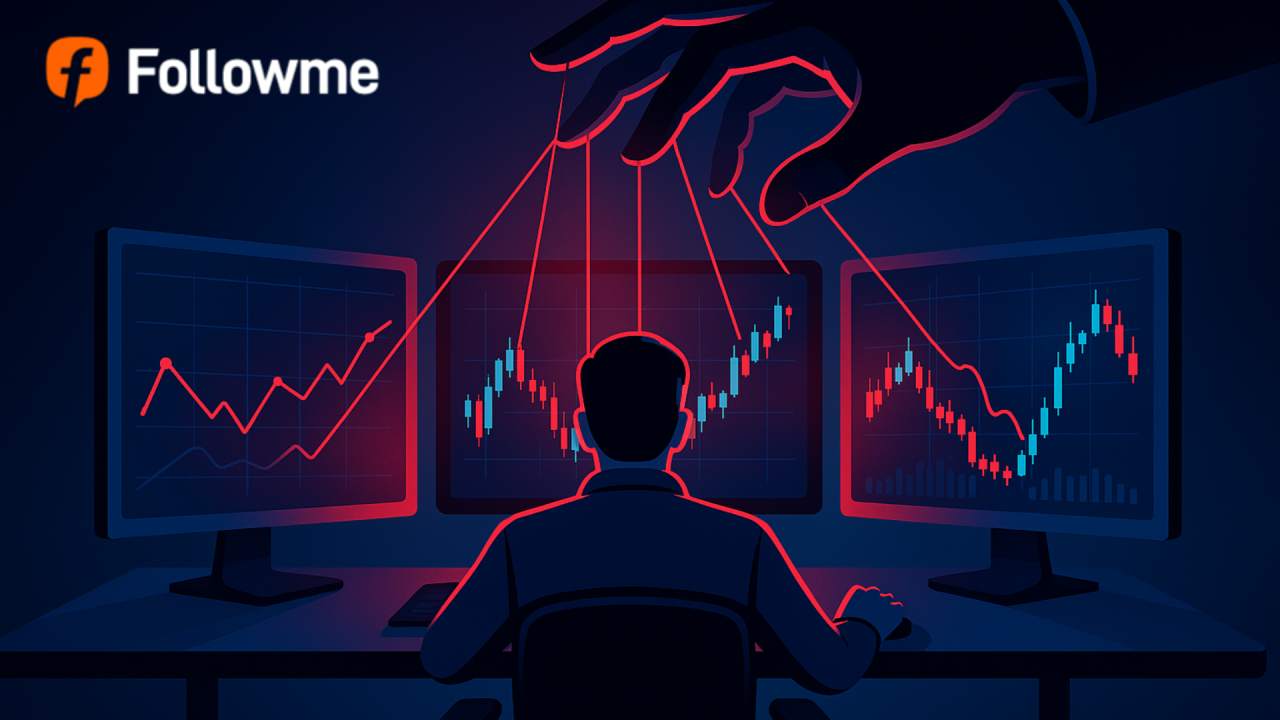
Ukrainian security services, working with EU partners, have now dismantled a Kyiv-based fraud ring that ran pseudo-trading platforms and a boiler-room call centre targeting EU nationals. More than 30 foreign investors were drawn into the scheme; just five of them alone transferred about UAH 8.2 million (roughly over USD 200,000) into what turned out to be a pure illusion of trading success.
For professional and retail traders alike, this case is not just another headline about “yet another scam.” It’s a very concrete reminder of how convincingly a fake broker can mimic the look and feel of real trading.
The Operation in Kyiv & Anatomy of the Scam
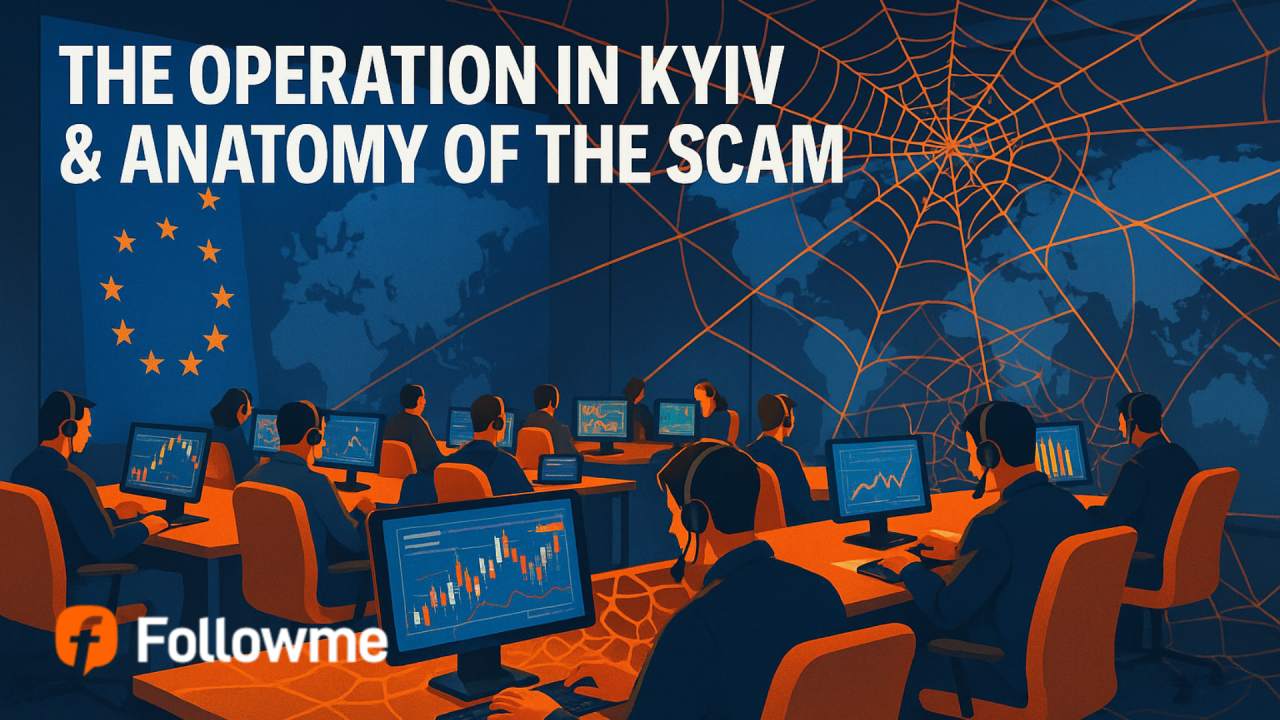
According to Ukrainian police and cyber investigators, the core of the operation was a call centre in Kyiv with around 20 workstations, run by an organised group headed by a ringleader and a small inner circle. Their target list was simple: EU nationals interested in online investing, forex-style trading, crypto, or stock speculation.
Call-centre staff phoned prospects across Europe and introduced themselves as representatives of a legitimate investment firm or online broker. They offered access to “exclusive” opportunities in cryptocurrencies and shares of supposedly “up-and-coming” companies, framed as a chance to participate in global markets with professional guidance.
Once clients agreed, they were funneled onto fake trading platforms that perfectly mimicked real retail brokers, but every number was controlled by the scammers, with trades and equity growth only simulated, never executed on any real exchange. To “help” with setup, managers convinced some victims to install remote-access software, giving them the ability to log in, move funds and manipulate what appeared on screen, including fabricated profits and smooth equity curves to keep deposits coming.
How Security Services Took It Down
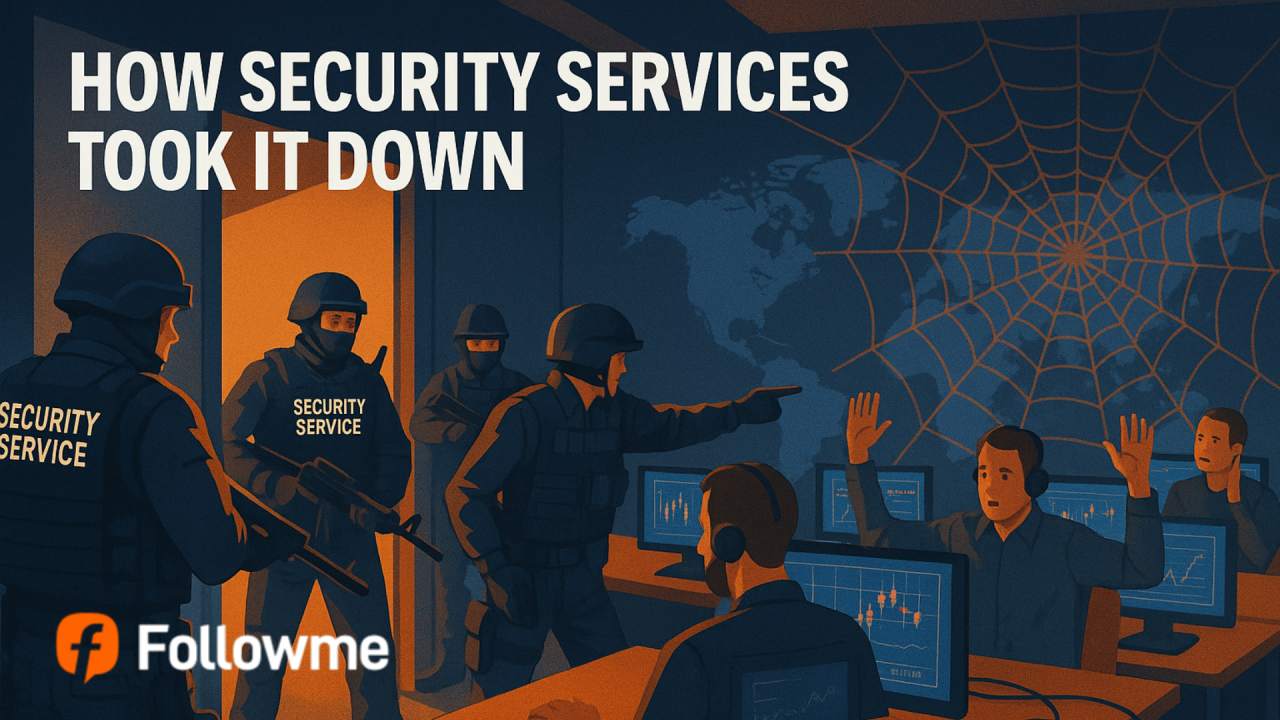
The dismantling of the scheme was the result of a joint effort by the National Police of Ukraine, cyber police units, the Prosecutor General’s Office and EU law-enforcement partners. After tracing complaints and transaction flows from EU victims back to Ukrainian infrastructure, investigators obtained warrants to hit the operation at multiple points simultaneously.
In a series of coordinated raids, officers carried out around 21 searches across Kyiv, targeting the call-centre premises as well as the homes and vehicles of suspected organisers. During these searches, they seized:
-
Large amounts of cash in US dollars, euros and hryvnia (reports indicate more than USD 1.4 million, plus millions of hryvnias and additional euros),
-
Computers, phones and storage media from the call centre,
-
Documents and notes that appear to record client lists, deposits and internal procedures.
On the legal side, Ukrainian authorities have notified several core members of the group of suspicion under Article 190 of the Criminal Code of Ukraine, which covers large-scale fraud committed by an organised group. Conviction under the relevant section can carry sentences of up to 12 years’ imprisonment and confiscation of property.
What This Means for Everyday Traders
For everyday traders and investors, this case is uncomfortably close to home. The Kyiv ring didn’t rely on obviously bogus lottery emails or crude phishing. Instead, they cloned the entire UX of legitimate online trading, then controlled every variable behind the curtain.
There are a few key takeaways:
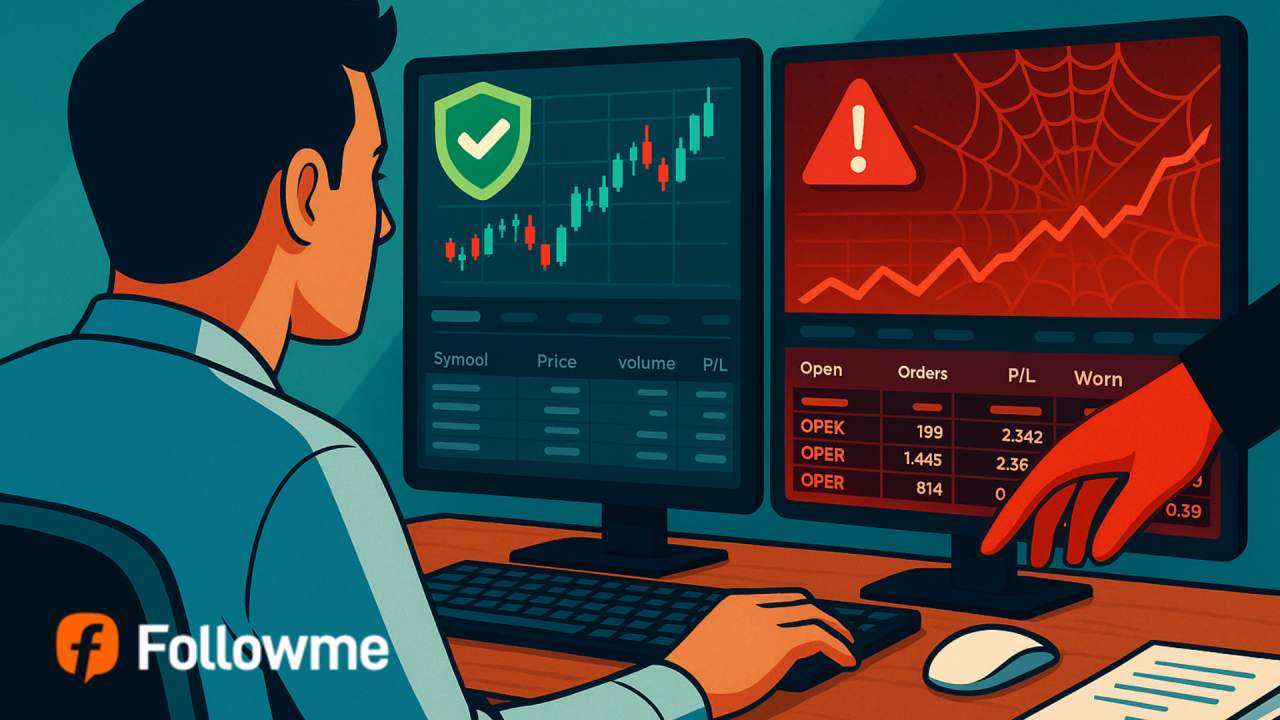
First, visual evidence of profit is meaningless if it comes from a system the counterparty fully controls. In this case, the platforms displayed “live” charts and steadily rising balances, but the numbers were no more real than a spreadsheet. Profit graphs, open positions and account statements only carry weight when the broker is properly regulated.
Second, the combination of unsolicited contact + remote-access software + offshore entity should be treated as a hard stop. Real brokers do not need full remote control of your device to help you place trades or open an account. When someone insists on screen-sharing or installing a tool so they can “manage trades for you,” they are asking for both technical control and psychological leverage.
Third, licensing and jurisdiction matter more than marketing:
-
Confirm the firm is authorised on the website of a recognised regulator
-
Verify that the licence details on the broker’s site match the registry entry exactly,
-
Avoid sending funds to personal accounts, unregulated payment processors or crypto wallets where ownership is opaque.
Ukrainian and other regional call-centre frauds describe a hierarchy of junior “sales managers,” “retention managers” and team leaders operating in environments that look more like aggressive sales floors than back-alley scams. The tone can feel similar to real brokerage sales, which is exactly why traders can be caught off guard.
Stay Smart & Alert
If you’re an active trader, copy-trader or long-term investor, this Kyiv case is a strong prompt to tighten your own operational risk checks.
Before you fund any new broker or platform, run through a short, non-negotiable checklist: Is the firm properly licensed and listed on an official regulatory registry? Are client funds held in segregated accounts at reputable banks? Do withdrawals work smoothly and on time for small test amounts and Do Not let anyone have control of your devices.
Join Followme, stay ahead of the news, and don’t give fraudsters an information advantage.
风险提示:本文所述仅代表作者个人观点,不代表 Followme 的官方立场。Followme 不对内容的准确性、完整性或可靠性作出任何保证,对于基于该内容所采取的任何行为,不承担任何责任,除非另有书面明确说明。
喜欢的话,赞赏支持一下

暂无评论,立马抢沙发