

· 阅读量 3,885
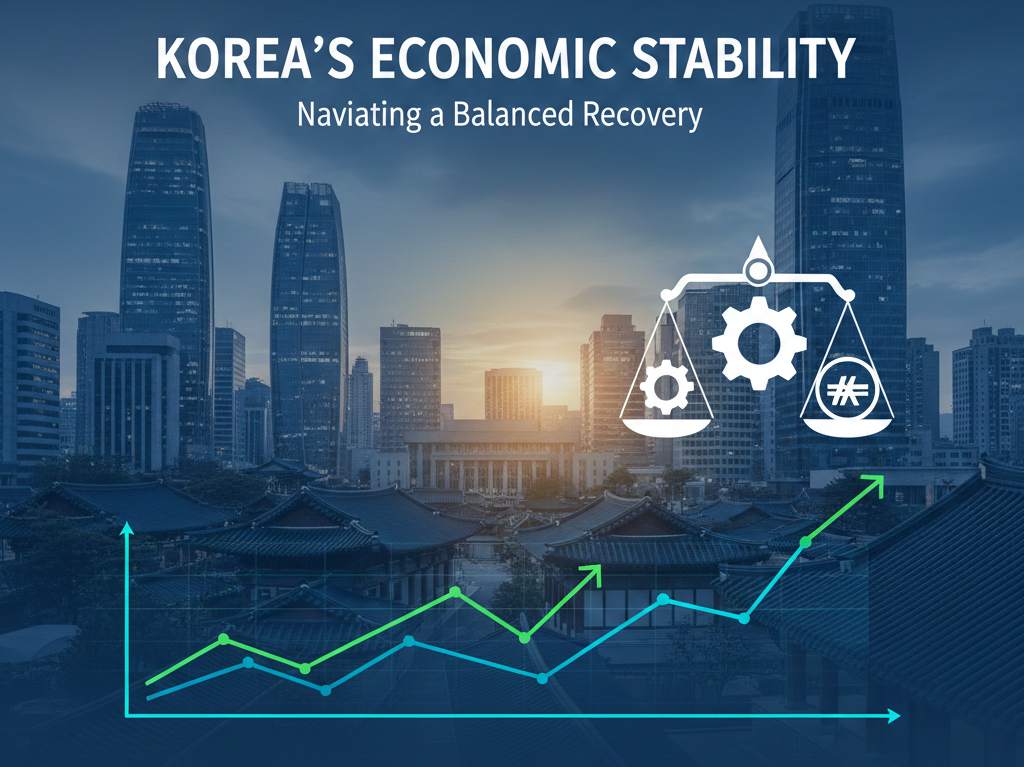
The Bank of Korea’s decision to signal a pause has meaningful implications across the economy. For consumers, borrowing costs may stay unchanged for a while, which affects decisions such as home purchases, personal loans, and business expansion plans. For markets, the message contributes to a more cautious but steady outlook.
A stable interest-rate environment could help limit sharp currency volatility. This benefits exporters, importers, and investors who rely on predictable financial conditions. It also gives policymakers time to evaluate how the economy responds to earlier rate adjustments.
Looking ahead, markets will closely monitor inflation trends, wage growth, consumer sentiment, and export performance. If inflation cools consistently and global financial conditions ease, the Bank of Korea may revisit the possibility of rate cuts later on. But if price pressures return or external risks rise, the pause could extend further.
In the end, Korea’s approach reflects a broader theme seen in many economies today: moving carefully, avoiding sudden shifts, and prioritizing stability over speed. The coming months will show whether this strategy helps guide the economy toward a more balanced recovery.
风险提示:本文所述仅代表作者个人观点,不代表 Followme 的官方立场。Followme 不对内容的准确性、完整性或可靠性作出任何保证,对于基于该内容所采取的任何行为,不承担任何责任,除非另有书面明确说明。
喜欢的话,赞赏支持一下

暂无评论,立马抢沙发