


What the Fed’s Next Move Could Mean for Global Forex Markets
Looking ahead, the Fed’s next steps could define the next major phase in Forex trading. If economic data continues to soften and inflation trends lower, markets may push harder for rate cuts. In that scenario, the Dollar could remain under pressure, supporting other major currencies and precio
Rate Cut Expectations Are Shaping the US Dollar’s Direction
One of the biggest trends in the market right now is rising discussion around future rate cuts. Even without a confirmed timeline, expectations alone are enough to move currencies. The US Dollar has become especially sensitive to changes in interest rate outlooks. When traders believe rate cuts are
Why the Federal Reserve Is Still the Center of the Forex Market
No institution influences the Forex market more than the Federal Reserve. Even when the Fed does not change interest rates, its tone, signals, and future guidance can move currencies around the world. Right now, markets are closely watching the Fed because expectations are shifting, not actions. Tra

What to Watch Next for XAG/USD in the Forex Landscape
Looking ahead, the direction of XAG/USD will likely depend on how global economic conditions and central bank policies evolve. Inflation trends, employment data, and signals from major central banks all affect interest rate expectations, which remain a key driver for precious metals. If markets move
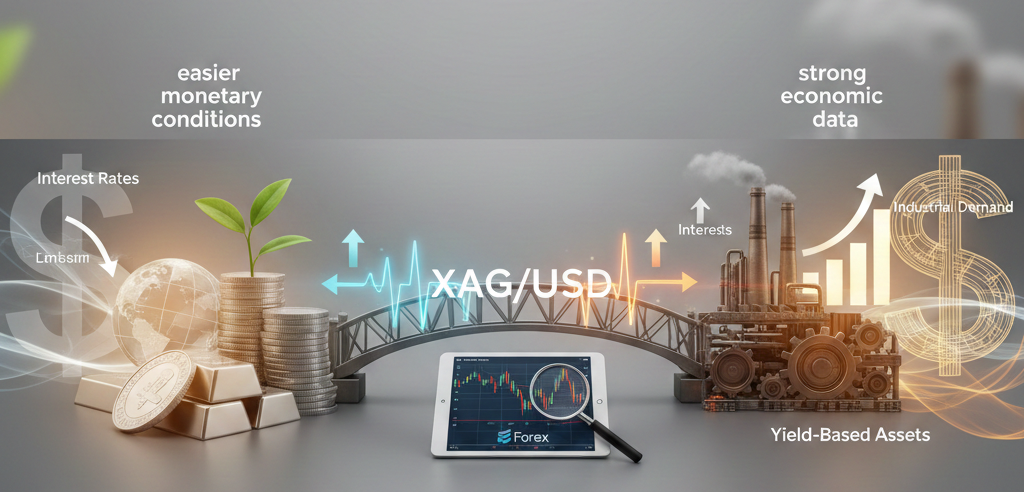
Key Drivers Behind XAG/USD Price Movements
The price of silver (XAG/USD) is driven by several important factors that are closely linked to Forex dynamics. One of the main drivers is interest rate expectations. When markets expect lower interest rates, non yielding assets like silver tend to gain support, as the opportunity cost of holding th
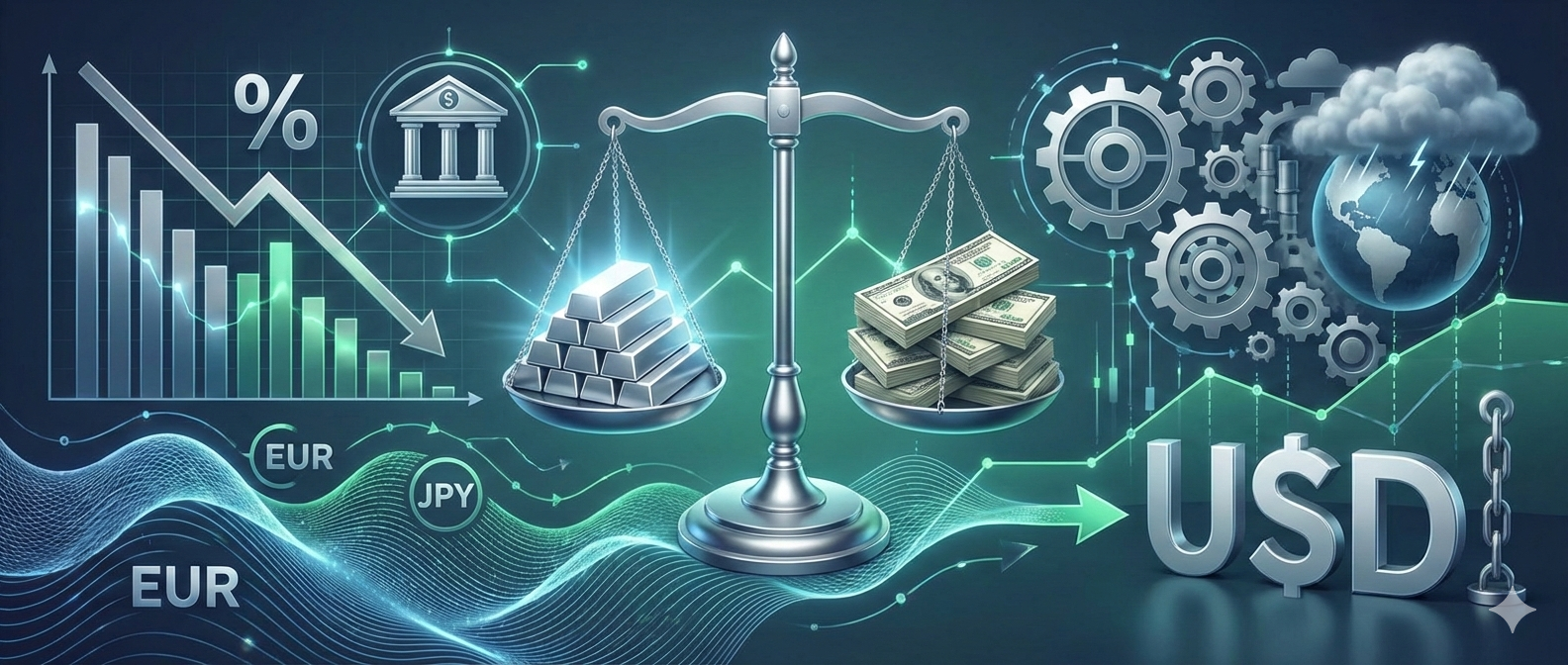
Understanding Gold and Silver (XAU & XAG) in the Forex Market
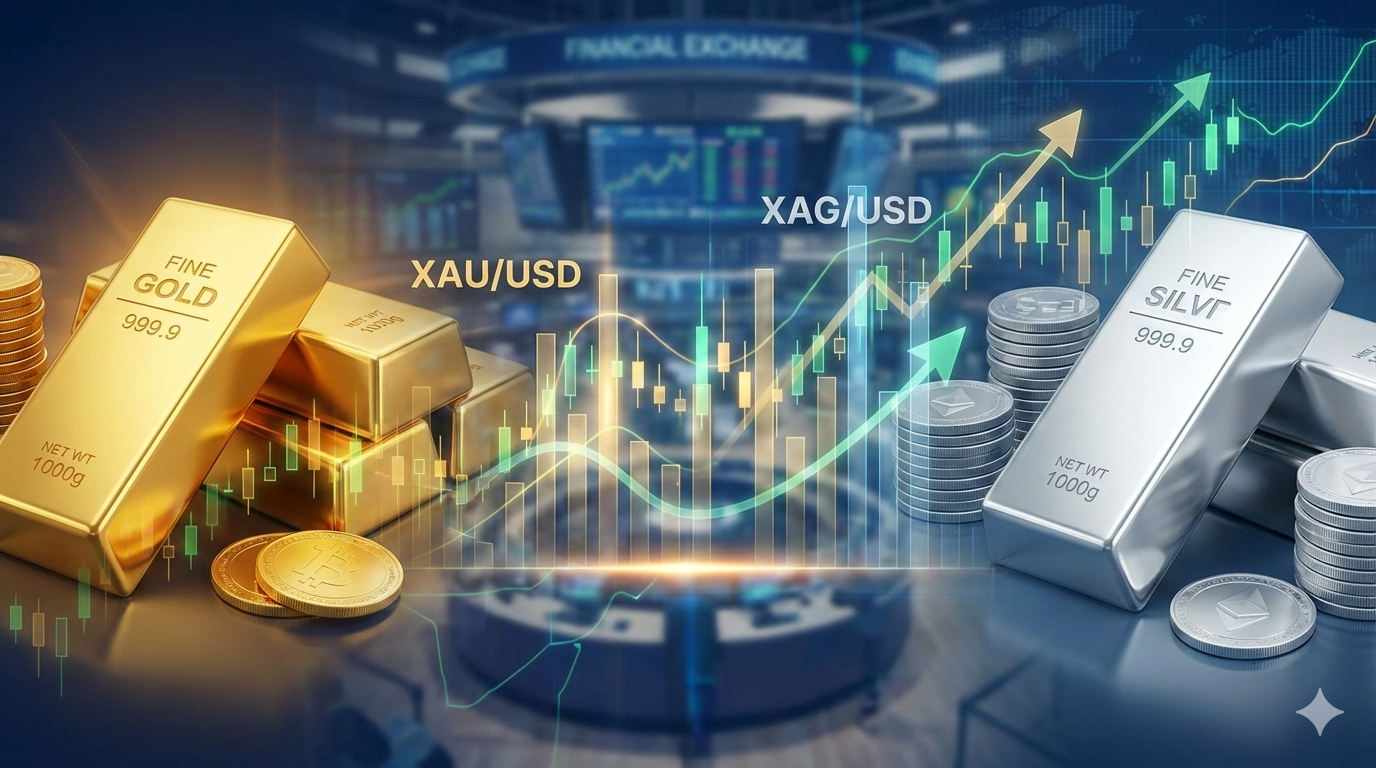
Gold and silver have long played an important role in global financial markets, and today they remain closely connected to the Forex market. In trading platforms, these metals are often quoted as XAU/USD (gold) and XAG/USD (silver), showing their direct relationship with the US Dollar. When investor
What Traders Should Watch Next in the Gold Market
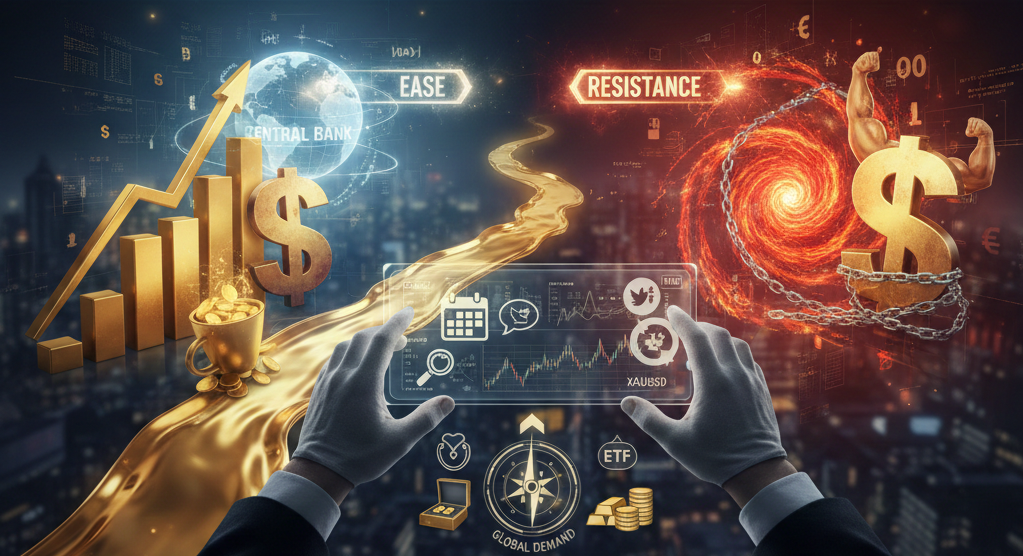
For traders and investors, the next phase of gold’s movement will depend on several important signals. Upcoming inflation data, central bank commentary, and shifts in the US Dollar will all influence whether gold can build a sustained trend. If economic data points toward slower growth and eas
- 愿望成真 :Thank you for sharing; this is also one of the reasons why I love gold(XAUUSD) so much.🤑❤️
What’s Driving Gold Right Now? Key Factors Behind the Price Action
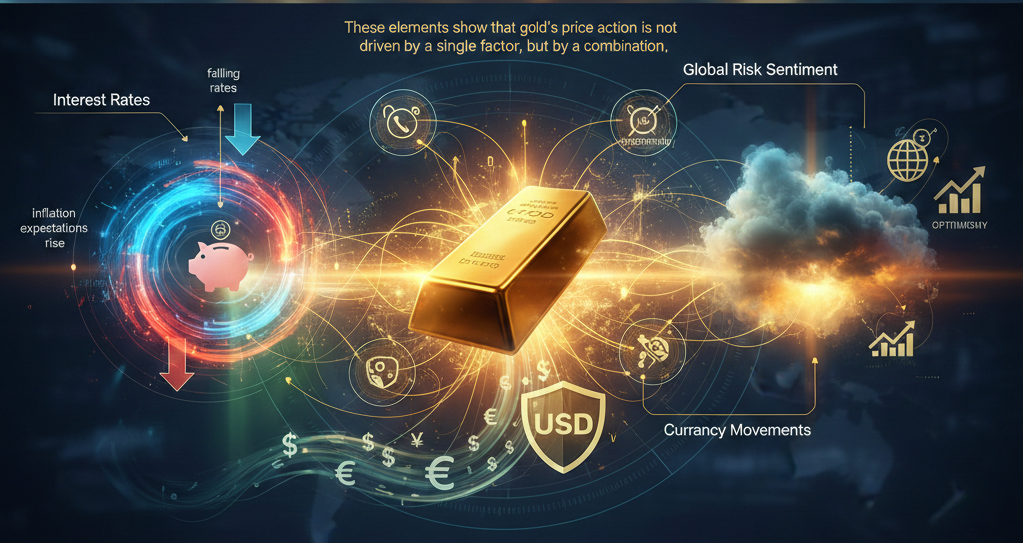
Gold’s recent behavior can be explained by several interconnected factors. First, real interest rates remain one of the strongest drivers of gold prices. When real yields decline either because inflation expectations rise or interest rates fall gold tends to strengthen. This is bec
Gold Prices Move in a Narrow Range as Markets Search for Direction
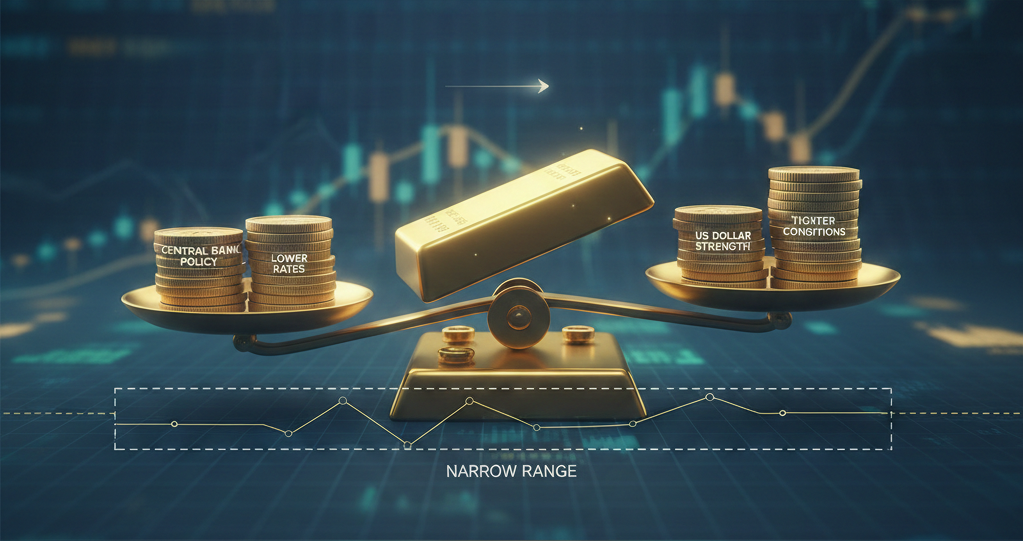
Gold has been trading within a relatively tight range recently, reflecting a market that is waiting for clearer signals. Investors are trying to assess whether global economic conditions will support higher gold prices or keep them capped. The metal often reacts strongly to changes in interest-rate
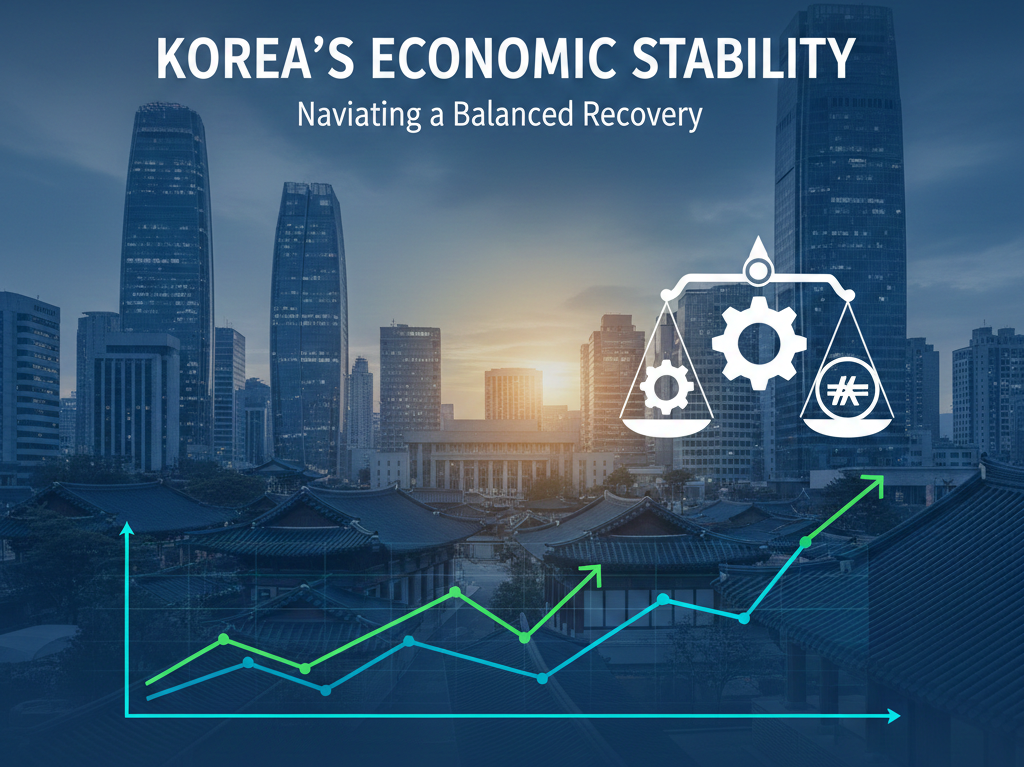
What This Means for Korea’s Economy and Financial Markets
The Bank of Korea’s decision to signal a pause has meaningful implications across the economy. For consumers, borrowing costs may stay unchanged for a while, which affects decisions such as home purchases, personal loans, and business expansion plans. For markets, the message contributes to a
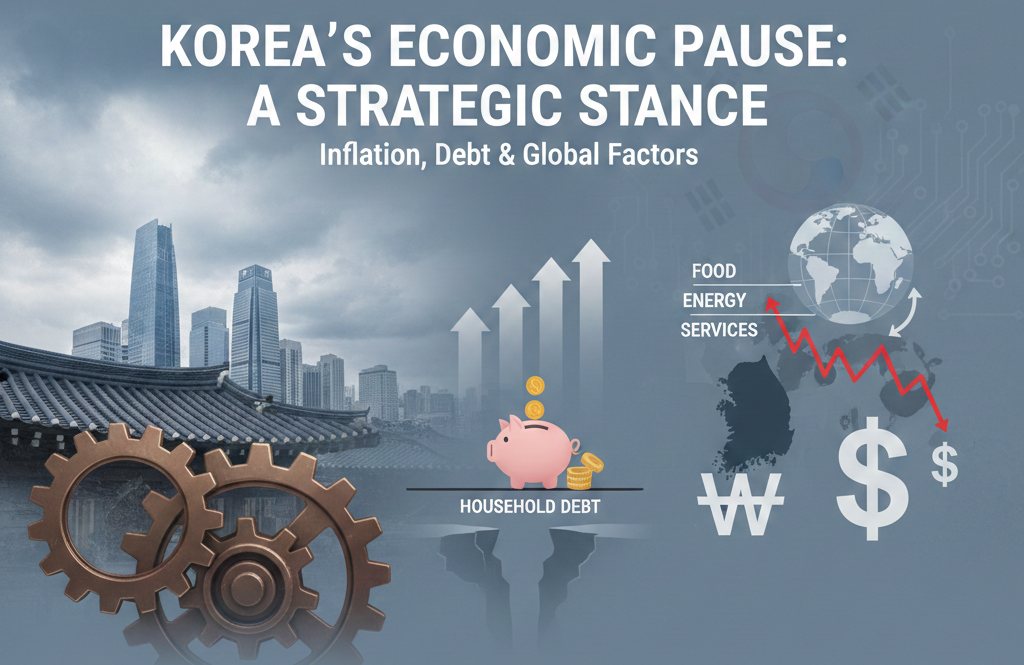
Why Korea May Hold Back on More Easing for Now
There are several reasons why the Bank of Korea may prefer to pause rather than continue cutting rates. One major factor is inflation. Even though price growth has slowed from earlier peaks, certain categories such as food, energy, and services continue to show upward pressure. The centr
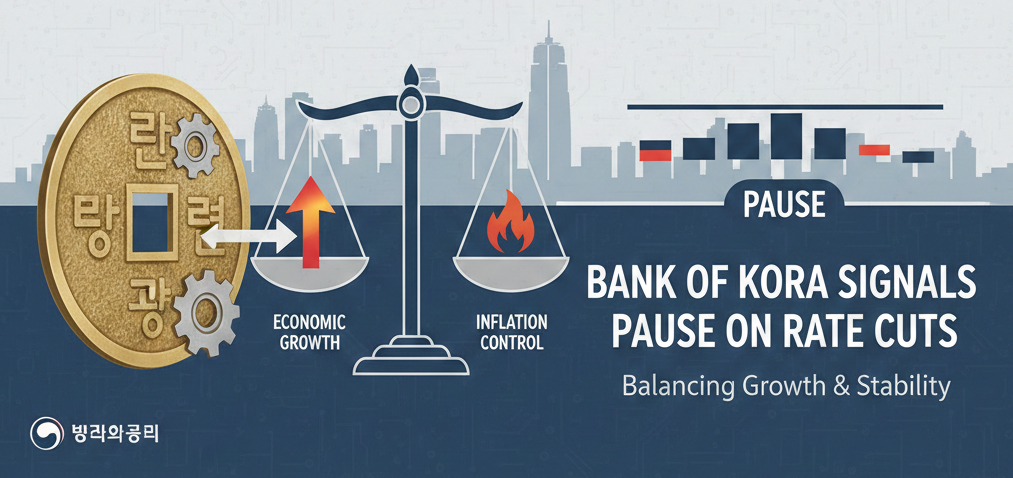
Bank of Korea Signals a Pause on Further Rate Cuts
The Bank of Korea has indicated that it may pause any additional interest-rate cuts, suggesting that the current policy level may remain in place for longer than markets previously expected. This shift comes at a time when global central banks are weighing how quickly they should move toward easing.
What Could Happen Next: Inflation, Policy & Everyday Life in Japan
Looking ahead, if inflation stays at or above current levels, Japan may see more pressure on both consumers and the economy. Households might cut back on spending, and businesses could delay investments if costs remain high. That could slow economic growth over time. However, sustained inflation mig
What Japan’s Inflation Means for the Economy and Interest Rates
The 2.8% rise in core prices in Tokyo could affect broader economic decisions including interest-rate policy and how people manage money. Higher inflation can push central banks to tighten or delay rate cuts, because they want to avoid allowing prices to rise too quickly. For people who borrow
Rising Prices in Tokyo Signal Inflation Is Still Lingering
Recent data from Japan’s capital shows core consumer prices climbed 2.8% year-on-year in November. That suggests inflation remains sticky, even as many economies globally try to tame price pressures. For everyday people in Tokyo, this means essentials like food, utilities, and services continu
正在加载中...
