


In the forex market, many beginner traders often start with demo accounts to familiarize themselves with platform operations and basic trading logic. However, demo accounts are merely practice grounds. They cannot generate real profits, nor can they truly train a trader’s mindset. To achieve wealth growth in the forex market, one must eventually transition into live trading.
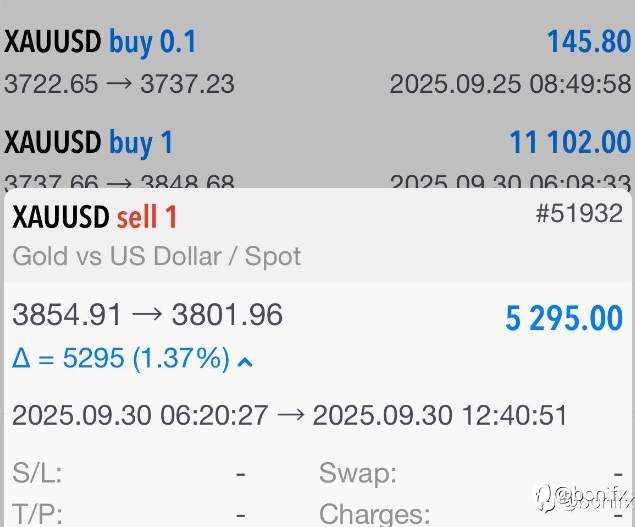
Live trading is not about reckless risk-taking—it requires scientific risk management. This article will analyze, from a professional perspective, the value of live trading, the importance of risk management, and how traders can achieve long-term, stable growth through live trading.
I. Why Demo Accounts Are Not Enough
- Lack of Real Profits: Earnings in demo accounts are just numbers and cannot be converted into actual wealth.
- Absence of Psychological Pressure: In demo trading, traders do not experience the pain of losing real money, making it difficult to cultivate genuine risk awareness.
- Market Environment Differences: Some demo accounts differ from real markets, failing to fully reflect slippage, spreads, and transaction fees.
- Growth Bottleneck: Staying in demo accounts for too long can lead to “armchair trading,” where traders lack real-world experience.
👉 Conclusion: Demo accounts are suitable for beginners, but true growth requires live trading.
II. The Value of Live Trading
- Real Profits
- Every trade’s gains or losses directly affect the account balance, allowing traders to truly feel the power of the market.
- Mindset Training
- Live trading forces traders to face risks and pressure, cultivating calmness and rationality.
- Rebate System
- On compliant platforms, trading not only generates profits but also provides additional rebates. For example, every lot traded can yield a fixed rebate for partners. This creates continuous passive income, far more valuable than one-time subsidies.
- Wealth Accumulation
- Live trading is the starting point of wealth growth. Only in real markets can traders gradually accumulate both experience and capital.
III. The Importance of Risk Management
The forex market is highly volatile, and risk management is the key to long-term survival.
- Position Sizing
- Limit risk per trade to no more than 2% of account capital.
- Use leverage wisely to avoid excessive risk exposure.
- Stop-Loss Mechanism
- Every trade must have a stop-loss to prevent major losses from adverse market moves.
- Stop-loss levels should be based on technical analysis and capital management, not emotions.
- Risk-to-Reward Ratio
- Maintain a ratio of at least 1:2, meaning potential profit should be at least twice the risk.
- Diversification
- Avoid concentrating funds in a single currency pair or direction.
- Diversification reduces systemic risk.
- Mindset Management
- Do not lose confidence after one or two losses.
- Maintain discipline and avoid emotional trading.
IV. A Phased Strategy for Live Trading
To help potential clients transition smoothly into live trading, a phased approach can be designed:
Phase 1: Small-Scale Live Trading
- Start with small capital to reduce psychological pressure.
- Goal: Familiarize with real market conditions and cultivate risk awareness.
Phase 2: Strategy Stabilization
- Gradually develop a stable trading strategy with small capital.
- Emphasize risk management and avoid expanding positions out of greed.
Phase 3: Capital Expansion
- Once experience and consistent profitability are achieved, gradually increase capital investment.
- Goal: Achieve scaled-up profits while maintaining strict risk control.
Conclusion: Wealth Begins with Live Trading
The forex market is full of opportunities but also comes with risks. Demo accounts are only practice grounds, while live trading is the true starting point of wealth. Through scientific risk management, traders can not only survive in the market but also achieve long-term, stable growth.
已编辑 13 Jan 2026, 11:28
风险提示:本文所述仅代表作者个人观点,不代表 Followme 的官方立场。Followme 不对内容的准确性、完整性或可靠性作出任何保证,对于基于该内容所采取的任何行为,不承担任何责任,除非另有书面明确说明。


-THE END-