


Geopolitics: Hormuz remains the key risk focal point
Tensions between the United States and Iran remain concentrated around the Strait of Hormuz, a critical global energy transit route. Recent developments continue to raise concerns about potential supply disruptions, keeping overall market sentiment cautious. As a result, capital has yet to fully rotate back into risk assets, while defensive positioning remains partially intact.
USD: Stable as the market’s anchor
The U.S. dollar continues to act as a key defensive anchor, with the DXY index holding around the 105–106 range. In the absence of clear monetary policy shifts, the “higher for longer” stance of the Federal Reserve continues to support the dollar, reinforcing its role as a stabilizing force while other currencies experience greater volatility.
Source: Investing (USD stable, Asia FX sideways)
JPY: Sharp moves trigger speculation warnings from Japan
The Japanese yen has seen notable short-term volatility, with sharp gains prompting Japanese authorities to issue warnings about speculative activity in the FX market. This signals that policymakers are closely monitoring currency movements and may intervene if volatility becomes excessive. While the yen still functions as a safe-haven asset, recent price action suggests that speculative and technical flows are playing a larger role in the near term.
CAD: Weakens despite elevated oil prices
The Canadian dollar has weakened amid rising geopolitical tensions, indicating that risk sentiment is currently overriding its traditional correlation with oil prices. Despite oil holding above 100 USD, CAD has not benefited accordingly, reflecting a shift in market behavior toward defensive positioning.
Asia FX: Range-bound amid uncertainty
Asian currencies remain largely range-bound as investors balance geopolitical risks with concerns over prolonged high global interest rates. The lack of strong catalysts continues to keep price action contained, with capital flows remaining cautious and rotational rather than directional.
Gold: Pulls back toward 4500 as safe-haven demand cools
Gold (XAU/USD) is currently trading around ~4530–4540, marking a clear pullback from previous highs. This suggests that safe-haven demand has eased as panic sentiment fades, with investors shifting toward a more selective approach to risk hedging. However, gold remaining at elevated levels indicates that underlying uncertainty has not fully disappeared.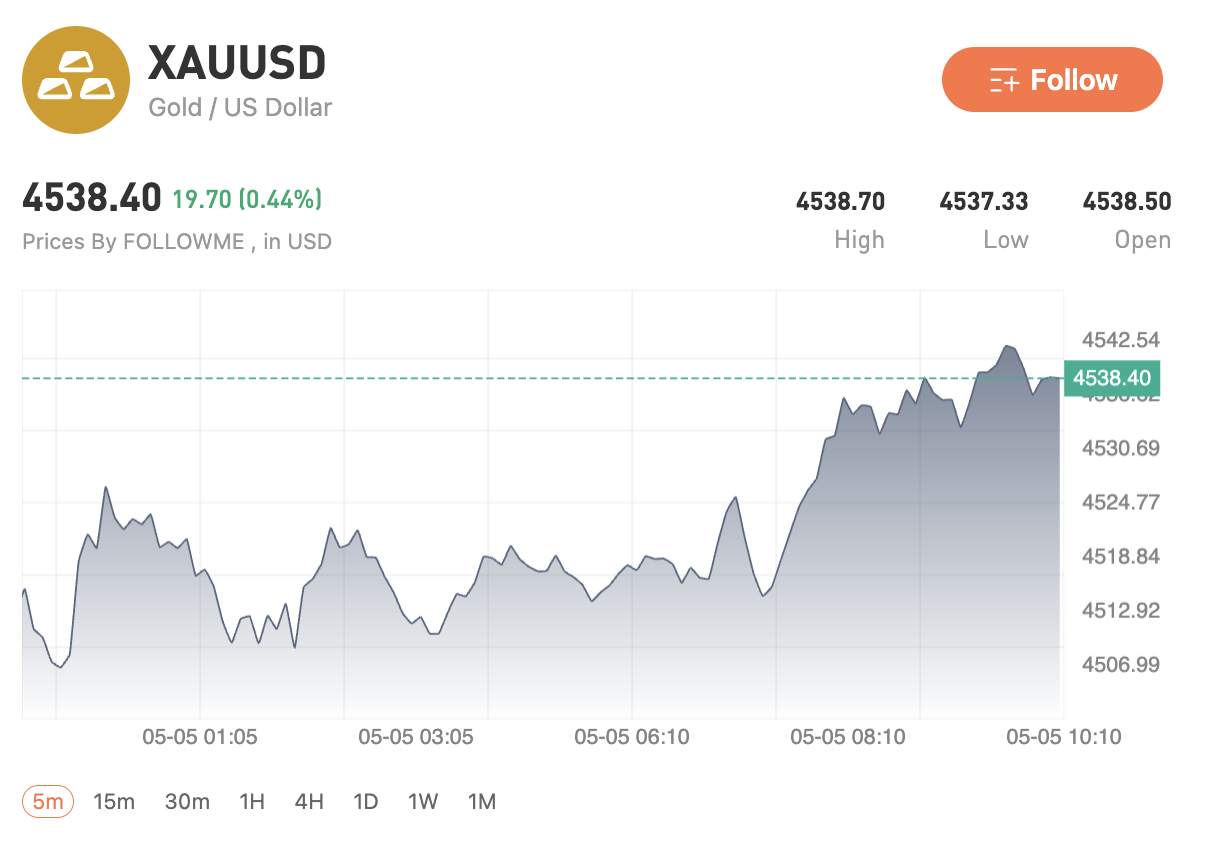
Oil: Holds above 100 USD as supply risks persist
Brent crude oil continues to trade above 100 USD per barrel, reflecting sustained supply concerns. Ongoing Middle East tensions combined with declining U.S. fuel inventories have reinforced this trend, suggesting that oil prices are increasingly driven by real supply-demand dynamics rather than expectations alone.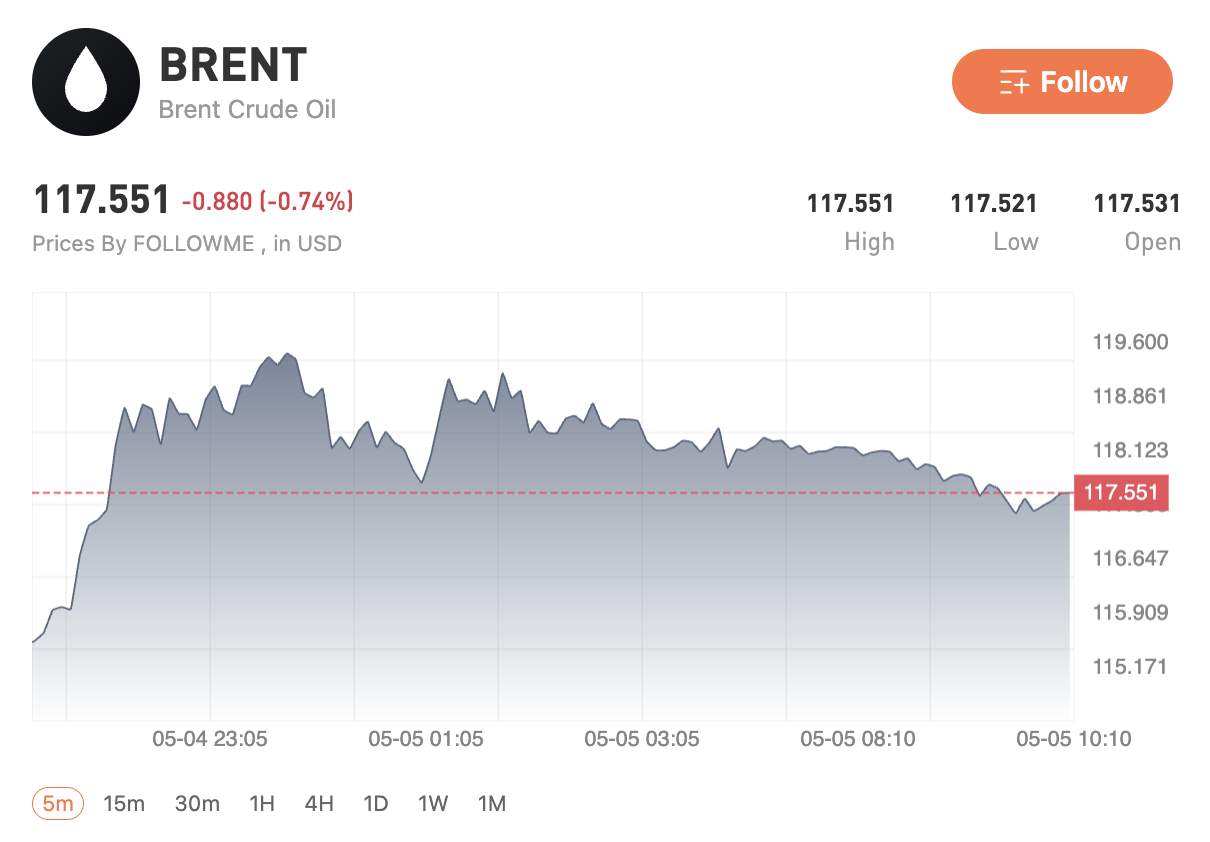
Macro: Higher-for-longer rates keep markets in “wait-and-see” mode
Major central banks remain cautious as inflation risks tied to energy prices persist. This has kept markets in a “wait-and-see” phase, where capital flows rotate across assets instead of forming a clear directional trend.
Market Overview
Markets are currently in a phase of divergence, with the USD holding steady as a defensive anchor, the JPY turning volatile under speculative pressure, the CAD weakening despite high oil prices, and gold pulling back toward 4500 as safe-haven demand cools. These developments highlight a market environment where assets no longer move in sync but instead reflect distinct drivers across geopolitics, monetary policy, and capital flows.
Want to stay ahead of major macro developments that move the Forex market?
👉Follow Followme and check out the Weekly Economic Calendar




风险提示:本文所述仅代表作者个人观点,不代表 Followme 的官方立场。Followme 不对内容的准确性、完整性或可靠性作出任何保证,对于基于该内容所采取的任何行为,不承担任何责任,除非另有书面明确说明。

暂无评论,立马抢沙发